Tag: https://www.m88linkvn1.com

States Where Online Sports Betting Is Legal Understanding...
The landscape of online sports betting in the United States has experienced a massive shift following changes in federal regulations over recent years. Today, dozens of states have established fully regulated digital gambling markets, allowing residents to legally place wagers on their favorite athletic events. Understanding where online sports betting is permitted requires examining the specific legislative frameworks that govern each region.
The Growth of State-Regulated Sports Gambling
Since the repeal of PASPA in 2018, individual state legislatures have possessed the authority to legalise and oversee sports wagering within their borders. Early adopters like New Jersey and Pennsylvania quickly built expansive digital ecosystems that generated significant tax revenues. This financial success encouraged many other jurisdictions to draft their own framework for mobile and web-based betting platforms.
Currently, more than half of U.S. states allow some form of sports wagering, though the exact access rules vary significantly depending on local legislation. While some jurisdictions permit statewide mobile betting through licensed private operators, others restrict activity to physical venues or state-run monopolies. Consumers should always check their local statutes to determine which platforms are fully authorized.
Key States Leading the Legal Sports Betting Market
Large commercial markets like New York, Ohio, and Michigan represent some of the most active online wagering sectors in the nation. These states feature competitive marketplaces where multiple licensed sportsbooks compete for consumer attention. The intense competition among operators often leads to improved technology, diverse wagering markets, and robust player protections.
In contrast, states like Nevada continue to maintain unique regulatory requirements, such as requiring in-person registration at a land-based casino before placing mobile bets. Platforms like link m88 highlight how global digital sportsbooks operate, yet within the U.S., strict state-by-state licensing remains mandatory. This localized oversight ensures that consumers interact with verified and tax-compliant betting entities.
Understanding Regional Differences and Legal Boundaries
It is essential for sports enthusiasts to realize that legal betting boundaries are strictly enforced through geolocation technology. Mobile applications automatically verify a user's physical presence before accepting any real-money wagers. Consequently, crossing state lines into a non-regulated area immediately disables full betting capabilities on authorized U.S. platforms.
Additionally, state regulations dictate what specific events are eligible for wagering within local borders. For instance, several jurisdictions prohibit prop bets on college athletes or restrict wagers on in-state academic sports teams altogether. These specific limitations are designed to maintain integrity across amateur and professional sporting leagues.
The Future Outlook for Remaining U.S. Markets
As state budget debates continue across the country, additional regions are actively considering bills to legalize mobile sports betting. Major markets such as California and Texas have debated legislative proposals, though complex political landscapes have slowed official implementation. Industry analysts expect gradual expansion as more states seek transparent oversight and new revenue streams.
For bettors, navigating this patchwork of legal markets requires staying informed on changing state laws and utilizing only licensed, regulated platforms. Responsible gaming features, transparent odds, and legal protection remain the primary advantages of playing within legalized U.S. sports betting boundaries.
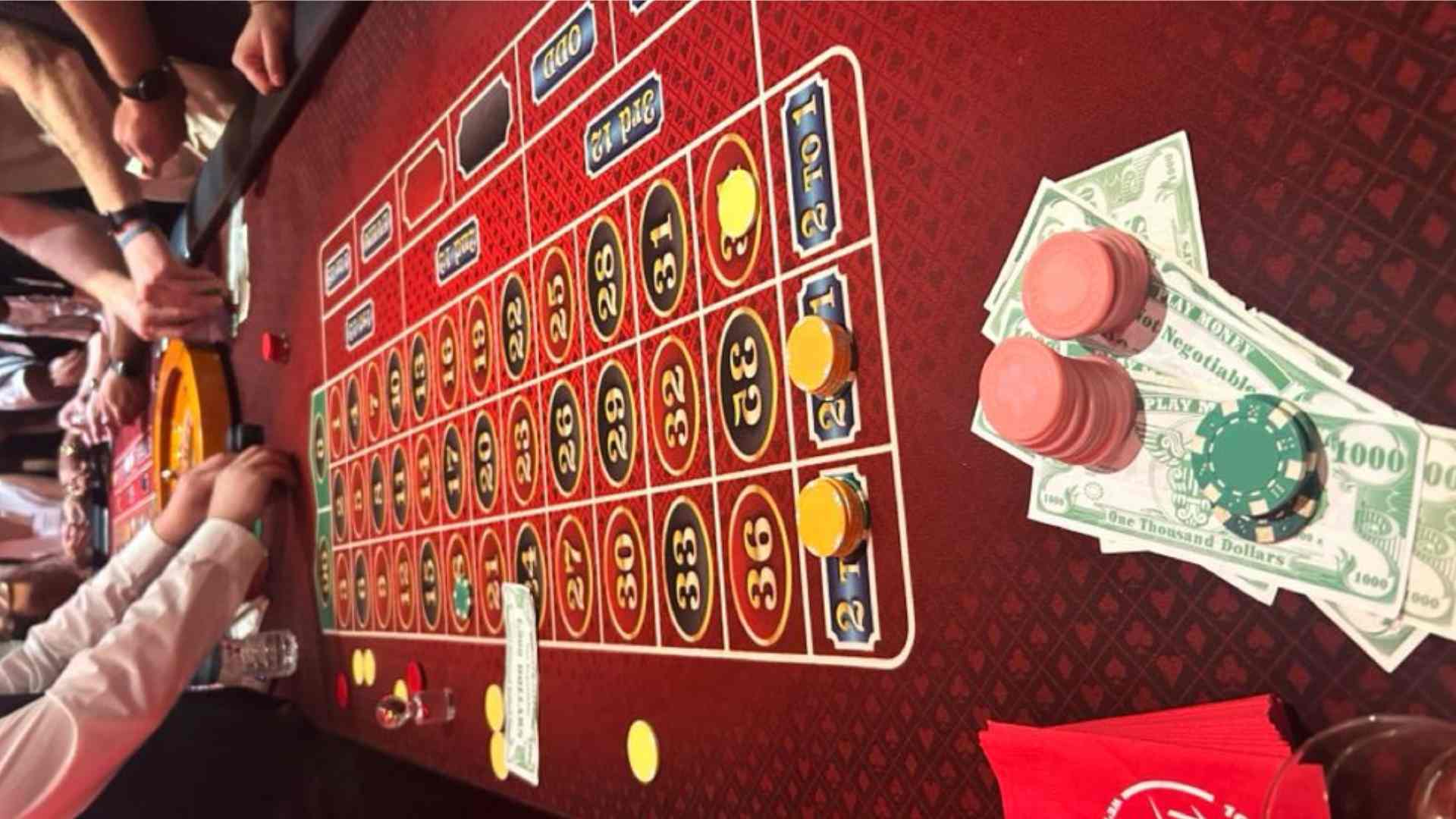
pari-mutuel betting example How Pool Based Betting Works...
Pari-mutuel wagering represents a unique system where participants bet against one another rather than against a bookmaker. Instead of locking in fixed odds when a wager is placed, all money goes into a common pool, and final payouts are calculated after the market closes. Understanding how pool-based systems calculate odds provides valuable clarity for sports fans evaluating different wagering formats.
The Fundamental Concept of Pool-Based Betting
In a pari-mutuel environment, every valid wager placed on a specific outcome is added to a centralized total fund. House take-out rates, taxes, and administrative fees are deducted from the overall pool before calculating final returns. The remaining balance is then divided equally among all winning tickets based on their original stake amounts.
Because the total pool size changes continuously until betting closes, payouts fluctuate dynamically throughout the wagering window. Bettors must monitor pool trends carefully to gauge potential returns accurately before events begin. Exploring comprehensive wagering platforms such as link m88 terbaru hari ini helps enthusiasts observe how dynamic odds and wagering markets function across different sports formats.
Step-by-Step Example of a Pari-Mutuel Calculation
Consider a simple horse race with three horses where the total wagered pool reaches $10,000 across all participants. Suppose Horse A receives $5,000 in bets, Horse B attracts $3,000, and Horse C receives the remaining $2,000. If the track takes a 15 percent commission fee, $1,500 is deducted, leaving $8,500 for winning payouts.
If Horse A wins the event, the remaining $8,500 pool is distributed strictly among the bettors who backed Horse A. Dividing $8,500 by the $5,000 invested on Horse A yields a payout ratio of $1.70 for every $1.00 wagered. This straightforward division demonstrates why heavily backed favorites return smaller individual payouts per winning ticket.
Key Differences Between Pari-Mutuel and Fixed Odds
Traditional fixed-odds wagering fixes your exact payout ratio at the moment your ticket is accepted by the bookmaker. Pari-mutuel wagering, by contrast, determines final payout values only after all betting activity has officially ceased. This structural difference creates unique strategic considerations for participants timing their entries.
In pool systems, late money inflows can drastically shift odds right before an event starts. While fixed odds shift risk onto the operator, pari-mutuel systems guarantee that the operator takes no market liability while participants share the collective pool dividend.
Where Pari-Mutuel Systems Are Commonly Used
Pari-mutuel wagering is most famous for its central role in horse racing, harness racing, and greyhound tracks worldwide. Major international racing events rely exclusively on pool mechanics to maintain market integrity and manage massive international volume.
Beyond animal racing, certain jackpot-style sports games and regional wagering tournaments employ similar pool formulas. This structure ensures transparent, mathematically balanced payouts regardless of unexpected athletic results.
Tips for Navigating Pari-Mutuel Markets
When participating in pool-based markets, timing and market analysis play vital roles in achieving favorable long-term results. Looking for undervalued contenders with low total pool percentages can yield high returns if your selection secures a victory.
Always remember to factor house deduction rates into your expected value calculations before placing bets. Disciplined bankroll management and consistent market evaluation remain essential practices for anyone engaging with pool wagering.

Learning Baccarat Fundamentals Without Complicated Methods
Baccarat is often viewed as an exclusive table game reserved for experienced high rollers, yet its core structure is remarkably simple. Newcomers who try to memorize intricate strategies or counting systems usually end up feeling confused. By stripping away unnecessary theories, beginners can easily grasp the essentials of the game in just a few minutes.
Understanding the Simple Objective
The primary goal in baccarat is to anticipate which of two dealt hands will reach a point value closest to nine. Players do not receive individual hands, nor do they make decisions after the cards are dealt. Instead, participants simply choose whether to back the Player hand, the Banker hand, or a Draw outcome.
Because the dealer manages every step of card distribution automatically, players do not need complex decision trees. You can sit back and watch the action unfold once your initial wager is placed. This hands-off mechanic makes baccarat one of the most accessible table games in modern casinos.
Mastering Basic Card Values and Counting
Calculating scores in baccarat requires straightforward addition without any complicated mathematical rules. Cards numbered two through nine keep their face value, while aces are worth one point each. Tens, jacks, queens, and kings hold no point value, effectively counting as zero.
When the combined total of a hand reaches ten or more, only the second digit is considered. For instance, receiving a seven and an eight creates a total of fifteen, which drops the ten to become a simple score of five. This automatic adjustment prevents hands from busting, keeping every round straightforward.
Choosing straightforward Betting Options
When starting out, focusing on primary wagering choices helps build confidence without overcomplicating your strategy. The Banker wager statistically holds the lowest edge for the house, making it a reliable choice for long-term play. The Player wager offers an equally straightforward alternative with nearly identical dynamics.
Many beginners find that reviewing game streams on platforms like m88 helps clarify how these main bets resolve in real time. Seeing live deals makes it easy to spot how small commissions work on Banker wins. Staying focused on these two primary options allows you to enjoy steady gameplay without risking funds on low-probability side bets.
Establishing Clear Session Limits
Learning the fundamentals extends beyond card rules to include sensible financial management during every session. Setting a fixed budget before entering a table ensures that your gaming remains structured and enjoyable. Dividing your main allocation into smaller bet units helps absorb natural variance over time.
Setting clear win and loss thresholds also prevents emotional choices during active rounds. Stepping away when reaching a pre-determined limit protects your bankroll from impulsive reloads. Adopting these basic habits ensures a controlled, transparent approach to learning baccarat at your own pace.

How A Change In Card Distribution Can Affect...
In competitive card games, players often experience shifts in momentum driven entirely by how cards are dealt over time. When card distribution shifts from favorable holdings to extended cold cards, it creates a subtle yet powerful psychological strain. Understanding how a change in card distribution can affect your confidence is essential for maintaining consistent strategic performance under changing table conditions.
The Psychological Impact of Unfavorable Runs
When a player encounters a sudden drop in quality hands, their baseline self-assurance often takes an immediate hit. The mind naturally seeks patterns and may interpret a normal statistical cold streak as a personal failure or loss of skill. Consequently, players often begin to doubt their foundational strategies and second-guess standard decisions.
This erosion of trust in one's process can quickly lead to hesitation during crucial moments. A player might fold hands they would normally raise or call when they should aggressively fold. Over time, these small missteps compound, further degrading confidence and performance.
Misinterpreting Variance as Skill Degradation
Statistical variance dictates that card distribution will fluctuate wildly across any given session. However, many competitors struggle to separate short-term outcomes from long-term decision quality. When premium holdings become scarce, players frequently question whether their overall approach remains effective.
Many enthusiasts study these behavioral shifts in competitive environments on platforms like m88 to better understand risk management and table dynamics. Recognizing that card distribution is completely random helps players detach their self-worth from short-term results. Maintaining this perspective prevents the psychological trap of feeling like a poor player during temporary downswings.
The Danger of Overcompensating for Cold Cards
As confidence wanes due to sparse card distribution, players often feel an overwhelming urge to force action. This impatience leads to playing weak starting hands out of position or executing ill-timed bluffs to win small pots. Such overcompensation usually results in steeper chip losses, creating a self-fulfilling cycle of declining confidence.
Recognizing the urge to force results is the first step toward preserving strategic discipline. True table confidence relies on trusting your long-term edge rather than trying to manufacture wins with inferior cards. Patience during unfavorable distribution ultimately protects both your stack and your mental clarity.
Rebuilding Focus and Psychological Resilience
Restoring confidence during a major shift in card distribution requires a conscious reset of your mental framework. Players should focus on tracking decision accuracy rather than tracking profit or loss per hand. Celebrating well-executed folds or proper pot control reinforces internal validation regardless of the dealt cards.
Building emotional resilience allows strategists to navigate inevitable cold runs without losing poise. By viewing changing card distribution as a routine test of discipline rather than a threat, you safeguard your confidence. In the end, steady psychological control remains the ultimate advantage at any card table.