pari-mutuel betting example How Pool Based Betting Works With Simple Examples
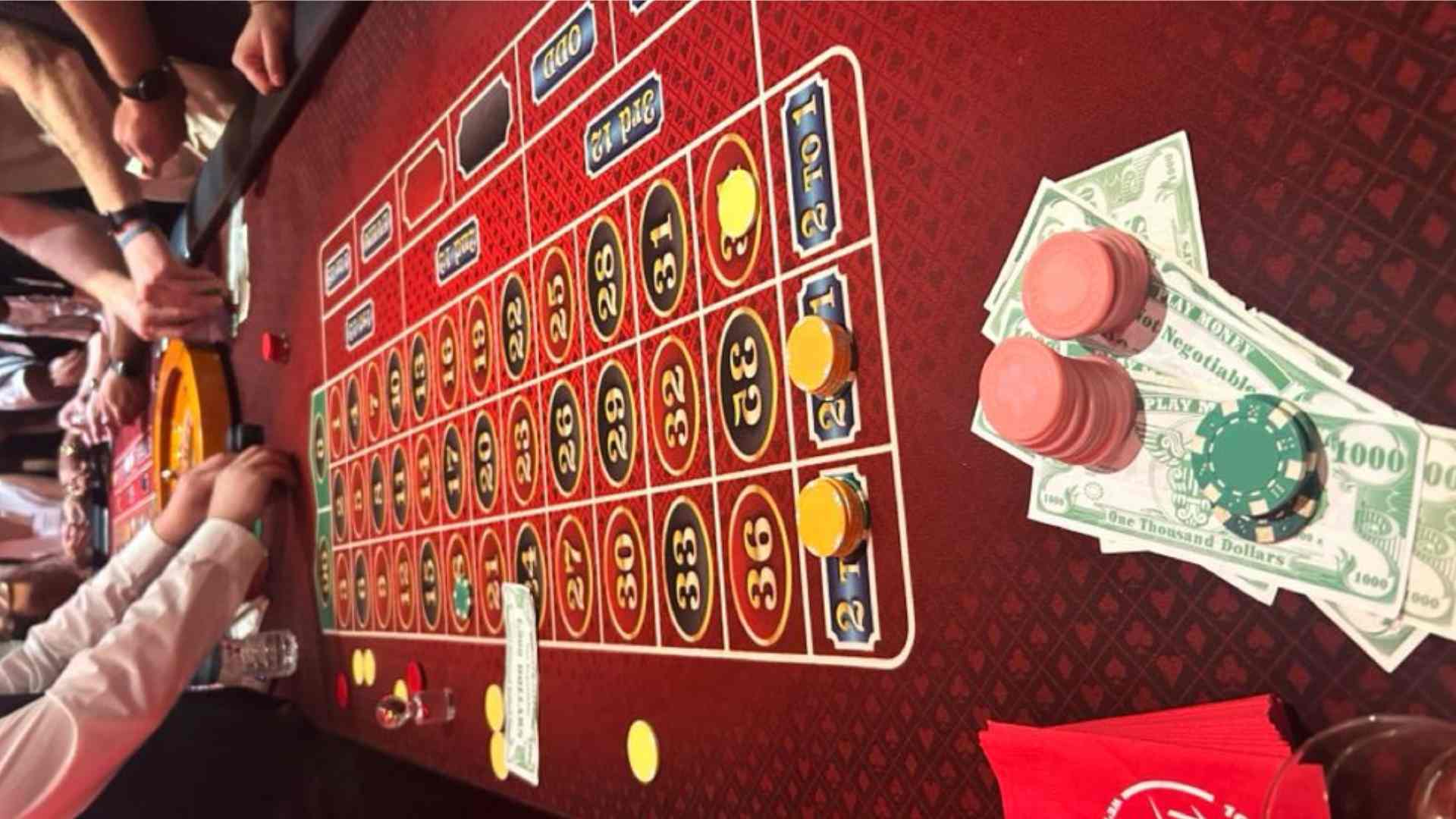
Pari-mutuel wagering represents a unique system where participants bet against one another rather than against a bookmaker. Instead of locking in fixed odds when a wager is placed, all money goes into a common pool, and final payouts are calculated after the market closes. Understanding how pool-based systems calculate odds provides valuable clarity for sports fans evaluating different wagering formats.
The Fundamental Concept of Pool-Based Betting
In a pari-mutuel environment, every valid wager placed on a specific outcome is added to a centralized total fund. House take-out rates, taxes, and administrative fees are deducted from the overall pool before calculating final returns. The remaining balance is then divided equally among all winning tickets based on their original stake amounts.
Because the total pool size changes continuously until betting closes, payouts fluctuate dynamically throughout the wagering window. Bettors must monitor pool trends carefully to gauge potential returns accurately before events begin. Exploring comprehensive wagering platforms such as link m88 terbaru hari ini helps enthusiasts observe how dynamic odds and wagering markets function across different sports formats.
Step-by-Step Example of a Pari-Mutuel Calculation
Consider a simple horse race with three horses where the total wagered pool reaches $10,000 across all participants. Suppose Horse A receives $5,000 in bets, Horse B attracts $3,000, and Horse C receives the remaining $2,000. If the track takes a 15 percent commission fee, $1,500 is deducted, leaving $8,500 for winning payouts.
If Horse A wins the event, the remaining $8,500 pool is distributed strictly among the bettors who backed Horse A. Dividing $8,500 by the $5,000 invested on Horse A yields a payout ratio of $1.70 for every $1.00 wagered. This straightforward division demonstrates why heavily backed favorites return smaller individual payouts per winning ticket.
Key Differences Between Pari-Mutuel and Fixed Odds
Traditional fixed-odds wagering fixes your exact payout ratio at the moment your ticket is accepted by the bookmaker. Pari-mutuel wagering, by contrast, determines final payout values only after all betting activity has officially ceased. This structural difference creates unique strategic considerations for participants timing their entries.
In pool systems, late money inflows can drastically shift odds right before an event starts. While fixed odds shift risk onto the operator, pari-mutuel systems guarantee that the operator takes no market liability while participants share the collective pool dividend.
Where Pari-Mutuel Systems Are Commonly Used
Pari-mutuel wagering is most famous for its central role in horse racing, harness racing, and greyhound tracks worldwide. Major international racing events rely exclusively on pool mechanics to maintain market integrity and manage massive international volume.
Beyond animal racing, certain jackpot-style sports games and regional wagering tournaments employ similar pool formulas. This structure ensures transparent, mathematically balanced payouts regardless of unexpected athletic results.
Tips for Navigating Pari-Mutuel Markets
When participating in pool-based markets, timing and market analysis play vital roles in achieving favorable long-term results. Looking for undervalued contenders with low total pool percentages can yield high returns if your selection secures a victory.
Always remember to factor house deduction rates into your expected value calculations before placing bets. Disciplined bankroll management and consistent market evaluation remain essential practices for anyone engaging with pool wagering.