Recent Post

What Order to Watch Daredevil and Punisher Complete Marvel Viewing Guide ...
Navigating the gritty streets of the Marvel Cinematic Universe requires a clear roadmap, especially when diving into the interconnected stories of Matt Murdock and Frank Castle. As street-level heroes facing dark criminal conspiracies, their narrative paths cross in ways that fundamentally alter their individual journeys. Following the proper sequence ensures you grasp the deep emotional weight and shifting moral dynamics that define their complex relationship.
The Initial Rise of the Devil of Hell Kitchen
The journey begins with the introduction of Matt Murdock as a blind lawyer fighting systemic corruption in his local neighborhood. The first season establishes his double life as a vigilante trying to clean up the city without crossing the ultimate line of taking a human life. This foundational story introduces the primary ideological conflicts that will later clash directly with external forces.
As the narrative moves forward, the second season immediately introduces a new kind of threat through the arrival of a ruthless tactical operator. Frank Castle arrives with a highly aggressive philosophy that challenges Murdock's belief in the justice system. Their legendary rooftop debates provide a deep exploration of morality, justice, and the consequences of absolute violence.
The Separation of Paths and the Birth of a Vigilante
Following their initial confrontation, the narrative fractures into distinct individual storylines that test each character's resilience. Frank Castle branches out into his own dedicated operations, uncovering a massive military conspiracy rooted deep within his tragic past. This phase allows viewers to understand the psychological damage driving the merciless tactical marksman.
Meanwhile, the broader defensive alliances in the city force Matt Murdock to coordinate with other street-level individuals to combat an ancient mystical organization. This collaborative effort leaves the blind lawyer physically broken and emotionally isolated, setting up a dramatic shift in his perspective. Watching these separate developments in order ensures the character motivations remain entirely coherent.
The Ultimate Climax of Justice and Retribution
The narrative threads converge toward their final respective resolutions as both characters face their deepest personal trials. Matt Murdock enters a period of intense isolation, testing his faith while confronting his greatest nemesis in a desperate bid to reclaim his identity. This dark chapter represents the absolute pinnacle of his early character arc.
Concurrently, the tactical operator returns to the streets to settle lingering debts and protect a young runaway from a new wave of corruption. This final segment provides a definitive conclusion to their early eras, preparing both individuals for their subsequent integration into the mainstream universe. Adhering to this structured chronology guarantees a highly satisfying viewing experience for dedicated fans.
Exploring Different Types Of Prize Reveal Experiences ...
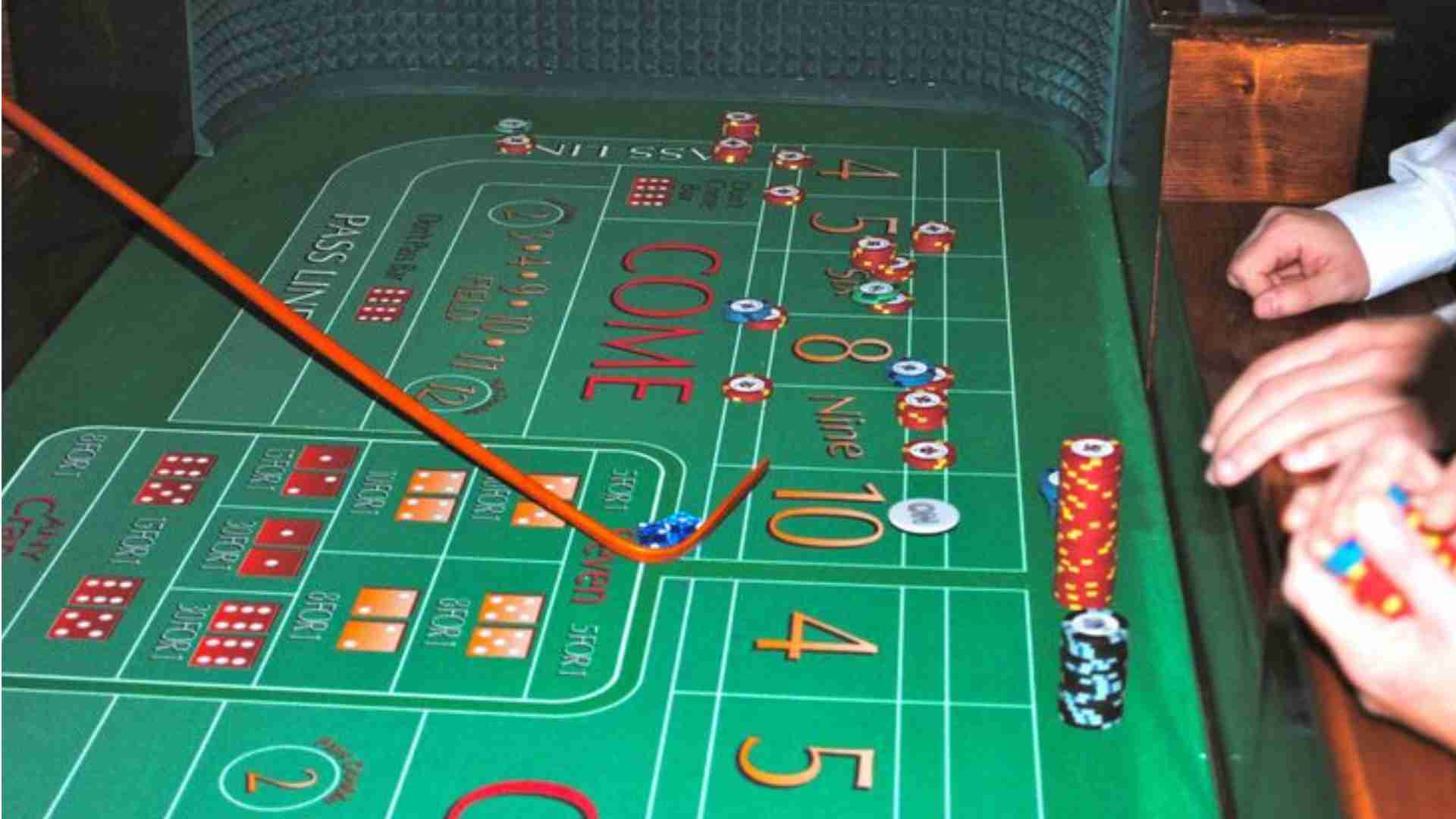
The moment of discovering a reward has become a central focus for modern entertainment platforms and digital campaign creators. Instead of simply delivering a prize, organizers are investing heavily in the presentation phase to maximize user satisfaction. This exploration looks into the distinct frameworks that platforms use to transform simple distributions into highly memorable interactive events.
The Multi Sensory Spectacle of Instant Disclosure
Many digital environments utilize sudden visual and auditory transformations to celebrate a winning outcome immediately. Strategic graphics, dramatic color shifts, and dynamic music tracks work together to elevate the baseline excitement of the participant. This immediate feedback loops turns a standard data update into an emotional milestone that feels deeply rewarding.
By engaging multiple senses simultaneously, platforms cultivate a powerful psychological peak that leaves a lasting impression. Modern digital entertainment hubs, including popular networks like m88, carefully optimize these sensory presentations to sustain high community involvement. The vibrant atmosphere ensures that even minor rewards feel significant, fostering consistent audience curiosity over time.
The Suspense Driven Gradual Unveiling
Another popular format focuses on the journey toward discovery rather than the final payout itself. By incorporating interactive elements like digital scratch cards, mysterious crates, or unfolding animations, developers create a controlled delay. This period of deliberate anticipation builds tension, which enhances the overall emotional release when the item is finally unmasked.
Psychological research indicates that the buildup to an event often provides as much stimulation as the reward itself. Participants become active agents in their own victory, rather than passive observers watching a screen. This hands-on interaction transforms routine gameplay sessions into highly personalized entertainment experiences.
Community Driven Social Celebrations
Modern reward structures frequently move beyond solitary screens to embrace interconnected multiplayer environments. In these formats, a single participant's major victory is broadcast to a wider live audience or active chat room. This public acknowledgment turns individual success into a shared collective milestone for the entire digital ecosystem.
Fostering public celebrations builds a unique sense of camaraderie and healthy competition among active users. When everyday observers witness another peer achieving success in real time, their personal motivation increases naturally. This transparency elevates public confidence, turning casual visitors into dedicated community members who enjoy celebrating together.

How French Gaming Traditions Influenced A Distinctive Baccarat Style ...
The cultural evolution of table games often traces back to the private meeting spaces of the European elite. During the nineteenth century, French gaming salons became the premier epicenters for high society, art, and structured socialization. Within these private gatherings, simple parlor games were transformed into highly sophisticated card rituals that reflected the complex social hierarchies of the era.
The Rise of Private Gathering Spaces
French gaming salons differed significantly from modern public venues by prioritizing strict behavioral codes and quiet observation over rapid game speed. These exclusive clubs allowed aristocratic players to interact closely, turning every round of cards into a formal social ritual. The physical layout of these historic rooms fostered deep concentration and mutual accountability among all participants.
As these traditions flourished, specific card variations began to emerge that emphasized active personal responsibility rather than automated outcomes. The structured environment of the salon ensured that gameplay remained elegant, deliberate, and deeply tied to continental etiquette. This focus on prestige and social interaction laid the groundwork for unique regional styles that still influence global table formats today.
The Shared Structure of Regional Variants
Classic French card variants cultivated an atmosphere focused heavily on player choices, shifting positions, and shared financial exposure. Unlike contemporary formats that isolate players against a corporate entity, early traditions required participants to take turns managing the table funds. This dynamic arrangement completely altered the room's psychology, turning a basic card comparison into a complex social contest.
By spreading the operational burdens, players became active stakeholders in the regular flow of the game rather than passive observers. This participatory approach allowed individuals to make independent drawing decisions based on environmental observation and seating advantages. Modern enthusiasts can easily visit platforms like m88 to observe how these historic decision-making elements have been adapted into digital spaces. The transition to virtual platforms preserves the basic mathematical core while modifying the manual layout for global convenience.
The Legacy of Manual Card Practices
The manual handling of items remains a foundational element of traditional gaming culture that originated in these historical clubs. Long before automated machinery standardized transaction velocity, the precise physical actions of specialized operators defined the entire table experience. This human element provided a predictable rhythm that allowed players to analyze table dynamics without relying on digital tracking tools.
Evaluating card totals quickly under intense social pressure became an essential skill for seasoned tabletop enthusiasts. This traditional reliance on mental arithmetic and visual timing fostered a deep appreciation for the underlying mathematical framework of each deal. By understanding how these continental customs balanced human agency with randomized probability, contemporary players gain a much clearer perspective on modern casino entertainment.

Why Physical Spinning Wheels Still Have A Unique Appeal ...
In an era dominated by high-definition screens and sophisticated digital algorithms, the enduring popularity of tangible event gear remains a fascinating phenomenon. Physical spinning wheels continue to command attention at trade shows, carnivals, and promotional campaigns worldwide. While software alternatives offer convenience, they often fail to replicate the authentic sensory feedback that a mechanical device naturally provides.
The Tactile Mechanics of Shared Suspense
The primary draw of a physical wheel lies in its construction and the predictable physics of its movement. Watching a wooden or plastic disk slowly lose momentum creates a genuine focal point that naturally aggregates crowds in any public space. The auditory clicking sound of the pointer passing over individual pegs establishes a rhythmic tension that a digital speaker cannot entirely simulate.
This mechanical feedback translates abstract mathematical probability into a visible, understandable event for everyone in the room. Participants can see the weight of the wheel and the friction of the flapper working together to determine their luck. This transparency builds instant credibility and transforms a simple random choice into an authentic spectacle.
Psychological Engagement Through Real Presence
Human psychology responds differently to objects that occupy real physical space compared to flat pixels on a mobile device. The act of reaching out to physically grip the rim and initiate the spin creates a deeper sense of personal agency. Players feel directly connected to the resulting outcome, even though the final resting point remains entirely bound to chance.
Many modern entertainment platforms, including online gaming systems like m88, attempt to recreate this exact drama through realistic physics engines and advanced animation. However, the multi-sensory combination of touch, sound, and spatial presence ensures that physical wheels retain an irreplaceable position in experiential marketing. The tangible nature of the apparatus eliminates the hidden skepticism that occasionally accompanies computerized random number generators.
Fostering Genuine Social Connections
Physical spinners act as excellent social icebreakers because they establish a shared focal point for large groups. When an individual steps up to spin a large carnival wheel, everyone nearby naturally stops to watch the momentum unfold together. This shared anticipation triggers collective cheers, laughter, and spontaneous conversations among total strangers.
In promotional environments, this community reaction creates a powerful marketing ripple effect that draws more foot traffic to a specific location. Digital choices are typically private, solitary experiences restricted to a single user viewport. In contrast, a mechanical spinner turns a randomized selection process into a lively community event that leaves a lasting impression on all participants.
The Lasting Practical Value of Analog Tools
Beyond the emotional and psychological benefits, physical prize wheels offer exceptional reliability in diverse operational settings. They operate completely independent of internet connectivity, power sources, or software compatibility issues. This operational independence makes them highly effective assets for outdoor festivals, remote charity drives, and busy corporate conventions.
Ultimately, the timeless charm of these devices stems from their ability to make random selection feel tangible and celebratory. By combining simple geometric layout with honest mechanical movement, they satisfy the human desire for transparent, engaging experiences. As modern interactions become increasingly virtual, the unique appeal of physical wheels will likely continue to thrive.

Is GTA 5 Cross Gen ...
Grand Theft Auto 5 has achieved unprecedented longevity by spanning multiple console generations since its original release. As players continue to migrate to newer hardware, a common question arises regarding how these different platforms interact with one another. Understanding whether the game supports cross-generational functionality is essential for friends looking to team up in Los Santos.
The Multi-Generational Timeline of Los Santos
Rockstar Games originally launched this open-world title on the PlayStation 3 and Xbox 360 before porting it to later systems. Over the years, consecutive updates have introduced significantly enhanced graphics, faster loading times, and exclusive gameplay features. This constant evolution means that the game exists in several distinct structural versions across the console ecosystem.
Because the developers rebuilt underlying mechanics to leverage modern processing power, older platforms eventually stopped receiving major content updates. The latest Expanded and Enhanced edition specifically targets current-generation hardware capabilities. Consequently, the software environment varies drastically depending on the specific machine you use to boot up the game.
Cross-Gen Multiplayer Limitations
When it comes to Grand Theft Auto Online, the game does not support traditional cross-generation matchmaking between different hardware eras. For example, a player using a PlayStation 5 cannot join a lobby with someone on a PlayStation 4. The structural differences in world rendering and performance metrics prevent these separate game versions from synchronizing seamlessly.
This division often surprises gaming groups who expect a unified multiplayer ecosystem across the same brand of consoles. To play together, users must ensure they are running the exact same version of the application. Fortunately, modern systems often allow owners to download the previous-generation software client to bypass this operational restriction.
Character Transfers and Compatibility Solutions
While direct cross-play between generations is absent, Rockstar did implement a comprehensive profile migration system for transitioning players. Gamers can move their online progression, acquired vehicles, and criminal empires from past-gen accounts to current platforms. However, completing this transfer typically removes or freezes your progress on the older platform permanently.
If you wish to maintain connections with friends who have not upgraded, keeping a separate older character file is usually required. Many enthusiast communities maintain active groups across both eras to accommodate varying hardware preferences. Navigating these account requirements carefully ensures you do not lose access to your favorite digital crews.
Looking Toward Future Ecosystems
The technical boundaries established in this title highlight the challenges developers face when maintaining a massive live-service world over a decade. Splitting the community by generation allows the creators to implement advanced features like ray tracing and denser traffic patterns. These additions would simply be impossible to run on older computational architectures.
As the industry moves forward, lessons from this staggered release model continue to influence how newer titles manage online continuity. Players looking for premium performance must adapt to these separated virtual environments. Ultimately, checking your group's console compatibility beforehand remains the best way to prevent unexpected isolation in multiplayer sessions.

How A Change In Card Distribution Can Affect Your Confidence ...
In competitive card games, players often experience shifts in momentum driven entirely by how cards are dealt over time. When card distribution shifts from favorable holdings to extended cold cards, it creates a subtle yet powerful psychological strain. Understanding how a change in card distribution can affect your confidence is essential for maintaining consistent strategic performance under changing table conditions.
The Psychological Impact of Unfavorable Runs
When a player encounters a sudden drop in quality hands, their baseline self-assurance often takes an immediate hit. The mind naturally seeks patterns and may interpret a normal statistical cold streak as a personal failure or loss of skill. Consequently, players often begin to doubt their foundational strategies and second-guess standard decisions.
This erosion of trust in one's process can quickly lead to hesitation during crucial moments. A player might fold hands they would normally raise or call when they should aggressively fold. Over time, these small missteps compound, further degrading confidence and performance.
Misinterpreting Variance as Skill Degradation
Statistical variance dictates that card distribution will fluctuate wildly across any given session. However, many competitors struggle to separate short-term outcomes from long-term decision quality. When premium holdings become scarce, players frequently question whether their overall approach remains effective.
Many enthusiasts study these behavioral shifts in competitive environments on platforms like m88 to better understand risk management and table dynamics. Recognizing that card distribution is completely random helps players detach their self-worth from short-term results. Maintaining this perspective prevents the psychological trap of feeling like a poor player during temporary downswings.
The Danger of Overcompensating for Cold Cards
As confidence wanes due to sparse card distribution, players often feel an overwhelming urge to force action. This impatience leads to playing weak starting hands out of position or executing ill-timed bluffs to win small pots. Such overcompensation usually results in steeper chip losses, creating a self-fulfilling cycle of declining confidence.
Recognizing the urge to force results is the first step toward preserving strategic discipline. True table confidence relies on trusting your long-term edge rather than trying to manufacture wins with inferior cards. Patience during unfavorable distribution ultimately protects both your stack and your mental clarity.
Rebuilding Focus and Psychological Resilience
Restoring confidence during a major shift in card distribution requires a conscious reset of your mental framework. Players should focus on tracking decision accuracy rather than tracking profit or loss per hand. Celebrating well-executed folds or proper pot control reinforces internal validation regardless of the dealt cards.
Building emotional resilience allows strategists to navigate inevitable cold runs without losing poise. By viewing changing card distribution as a routine test of discipline rather than a threat, you safeguard your confidence. In the end, steady psychological control remains the ultimate advantage at any card table.
Whispers Of A Machine Complete Walkthrough And Puzzle Solutions ...
Navigating the complex Nordic noir world of Whispers of A Machine requires an analytical mind and a keen eye for subtle clues. Players step into the shoes of Vera, a cybernetically augmented detective tasked with solving a series of challenging murders. This comprehensive guide provides step-by-step solutions to ensure you can crack the case without getting stuck on tricky logic blocks.
Understanding Vera's Cybernetic Augmentations
Vera possesses unique bio-technological enhancements that directly alter how she gathers evidence and interacts with witnesses. Throughout the investigation, your personal choices will shape her personality and unlock distinct skills such as enhanced vision or psychological scanning. Utilizing these tools effectively is paramount to uncovering hidden clues scattered across the crime scenes.
When a standard dialogue option fails, switching your active augmentation can reveal a breakthrough in your current conversation. For instance, monitoring a suspect's biometric data helps identify hidden anxiety or outright deception during tense interrogations. Balancing these analytical abilities ensures you stay one step ahead of the elusive perpetrator.
Day One Investigation and Early Game Obstacles
The journey begins in a quiet rural town where a gruesome murder has completely disrupted the local community. Your first objective involves examining the immediate surroundings of the victim and collecting microscopic data points. Analyzing these early clues reveals a connection to illegal AI technologies that were banned generations ago.
To progress past the initial area, players must decode a locked safe hidden within the victim's private quarters. This task requires correlating local scheduling patterns with explicit diary entries left behind by the deceased. Once you input the proper sequence, you will retrieve a highly encrypted data drive containing critical coordinates.
Deciphering the Central Core Puzzle Solutions
As the narrative thickens, Vera discovers an abandoned industrial facility deep within the northern wilderness. Accessing the main computer terminal demands that you bypass a complex multi-layered security grid. This roadblock requires manipulating local power breakers to realign shifting circuit channels correctly.
If you encounter difficulties navigating the electrified security gates, activating your enhanced vision will expose the underlying structural wiring. Tracing these wires back to their origin allows you to execute a calculated shutdown without triggering a facility-wide alarm. Overcoming this hurdle grants access to historical data logs that completely reshape the context of your investigation.
Navigating Character Choice Branching Points
Unlike traditional linear point-and-click titles, this narrative features dynamic puzzle variations based on your psychological alignment. Your choices of empathy, assertiveness, or analytical detachment directly dictate which puzzle solutions remain available. This design choice guarantees that your individual gameplay experience remains entirely personal and highly rewarding.
When attempting to persuade a stubborn local official, an empathetic approach might yield results that an assertive demands cannot achieve. Reviewing your past case notes can provide great clarity when deciding which behavioral strategy fits best. Adapting your methods to match the specific witness ensures a smooth path toward the ultimate narrative conclusion.

How To Use Dummy Entries More Effectively ...
Managing dummy entries effectively is one of the most critical skills a declarer can master in contract bridge. Without proper entry management, even a hand with strong cards can fall short of fulfilling its contract target. By carefully planning your transitions between the declarer hand and the dummy, you can maximize your trick-taking potential and maintain control throughout the game.
Planning Entry Flow Before Playing the First Card
The moment the dummy hand is exposed, declarers should take a pause to evaluate all available entry points. Counting high cards and potential suit honors in the dummy allows you to determine how many times you can cross over safely. Establishing a clear sequence prevents you from stranded winners that you cannot access later in the hand.
It is crucial to differentiate between flexible entries and single-purpose entries during your initial calculation. High cards that can also serve to capture opponent honors should be preserved whenever possible. Careful timing ensures that every entry accomplishes a specific strategic objective before it is exhausted.
Preserving High Cards in the Short Hand
A common mistake among developing players is using high cards in the dummy too early in the play. When the dummy holds limited high cards, saving them for critical moments like finessing or running a long suit is essential. Winning early tricks in the declarer hand instead keeps the dummy's entries intact for the endgame.
In long-suit development, entry preservation becomes even more vital to success. If you need to trump cards or clear opposition high cards to establish a suit, ensure you have a remaining entry to harvest those established tricks. Strategic card play turns minor honors into reliable gateways when managed with discipline.
Creating Flexible Entry Points
Entries are not always obvious high cards like Aces and Kings; sometimes they must be created through careful suit management. Overtaking a high card in your hand with a slightly higher card in the dummy can manufacture an unexpected entry. This technique works particularly well when you need to access the dummy at a specific juncture.
Unlocking potential in side suits often requires looking at card combinations across both hands. Many card enthusiasts visit platforms like m88 to take a break and refresh their focus between competitive sessions. Recognizing subtle entry creation opportunities transforms complex hands into manageable lines of play.
Managing Defense Pressures
Opponents will often try to disrupt your entry management by attacking the dummy's entry cards early. When defenders switch suits or lead through your weak holdings, you must evaluate whether to win immediately or duck the trick. Ducking can sometimes preserve an entry or disrupt defender communications effectively.
Anticipating defensive moves allows you to retain control over the pace of the game. By staying one step ahead of the opposition, you protect your access routes to key suits in the dummy. Consistently practicing these defensive countermeasures elevates overall declarer execution and leads to higher success rates.

How Defenders Create Passing Options During Build Up ...
Modern football demands that build-up play originates from the backline rather than relying solely on long clearances. To achieve this, defenders must move intelligently to create viable passing lanes while under intense pressure from opposing forwards. This structural shifting forms the very foundation of successful possession-based tactics.
Optimizing Body Orientation Before Receiving
A defender's spatial efficiency begins long before the ball actually arrives at their feet. By opening their hips toward the entire pitch, center-backs can scan for available midfielders and fullbacks simultaneously. This specific orientation allows them to make immediate decisions and execute forward distributions without wasting valuable touches.
Facing the game properly also prevents opponents from trapping a backline player against the touchline. Maintaining a side-on stance provides a clear view of incoming pressing triggers while preserving a safety outlet. This technical detail is a crucial component taught in modern academies to ensure ball security.
Utilizing Tactical Group Movements and Rondos
Creating passing options is rarely an individual effort but rather a coordinated team synchronization. Backline units routinely practice high-intensity positional rondos during weekly training sessions to master quick lateral movements. These exercises simulate intense match scenarios where passing lanes open and close within fractions of a second.
Fans who want to follow tactical analysis and team news can check Yuk Sports for regular football updates. Understanding how these structural triangles operate helps viewers appreciate the deep strategic patterns occurring during ninety minutes of play.
Dragging Opponents to Create Space
Intelligent center-backs often use intentional driving runs to force opposing forwards out of their defensive blocks. By carrying the ball forward into open territory, a defender compels a midfielder to break rank and step up to challenge them. This sudden movement automatically opens up a passing channel directly behind the pressing player.
Executing decoy movements without the ball is equally effective for creating space for fellow teammates. A fullback dropping deep can drag a wide winger along with them, leaving the flank completely open for a midfielder to exploit. These subtle manipulations are vital for breaking down rigid defensive structures.
Maximizing Depth and Width of the Pitch
To counter an aggressive high press, the defensive line must maximize the distance between individual players across the pitch. Fullbacks typically hug the touchlines while central defenders split to the edges of the penalty area. This extreme width forces the defensive team to cover more ground, stretching their compact lines.
Utilizing the goalkeeper as an extra outfield player also provides a consistent numerical advantage during deeper phases. This deep passing option offers a reliable escape route when central lanes are heavily congested by opponents. Proper distribution from the back eventually allows the squad to transition cleanly into the attacking third.

Cold War Zombies Outbreak Easter Egg Complete Guide ...
The Outbreak mode in Call of Duty: Black Ops Cold War Zombies transformed traditional round-based gameplay into an expansive, open-world survival experience. Unlocking the main storyline quest within this mode requires strategic preparation, precise exploration, and effective squad coordination. Mastering this quest provides players with a rich narrative conclusion and exclusive rewards.
Preparing for the Outbreak Main Quest
Before attempting the main questline, survival preparation is essential during the early world levels. Players should focus on gathering salvage, upgrading armor, and securing high-tier weapons early in the match. Completing side objectives across the map guarantees enough resources to upgrade loadouts before escalating difficulty spikes.
Team communication and perk management also play a significant role in long-term survival. Equipping essential perks like Juggernog and Quick Revive will help protect players during sudden elite zombie encounters. Having a balanced team composition ensures that every player contributes effectively to objective completion.
Locating the Radio and Listening Station Signals
The quest officially initiates after reaching World Level 3 by tracking down a specific beacon signal. Players must interact with a radio located on the map and match its frequency with nearby amplifiers. Listening closely to audio cues helps align the signal correctly to progress the quest line.
Once the signal is established, a specialized listening device drops an item known as the Beacon Listening Listening Part. Interacting with the central beacon allows players to select the narrative warp option. This action transports the squad directly into the final objective zones.
Navigating the Ruka Silo Bunker Complex
Upon entering the underground facility in Ruka, players are met with narrow corridors and high enemy density. Navigating through the missile silos requires constant vigilance and strategic crowd control tactics. Players need to locate three distinct launch keys hidden across different silo bays.
Retrieving these keys involves solving environmental puzzles and defending against waves of hostile undead. Each key requires a unique interaction, such as escorting a specialized canister or searching keycards near terminal stations. Coordinating movement with your team prevents unexpected downs inside tight spaces.
Defeating the Legion Boss Encounter
The quest culminates in an intense boss battle against Legion, a massive Tempest creature located on the surface. Players face a strict time limit to destroy the boss's armor while managing swarms of elite enemies. Positioning and continuous movement are vital to avoid deadly area-of-effect attacks.
Targeting the glowing chest weak spots breaks the boss's outer defense layer and exposes vulnerable orbs. Concentrating firepower on these orb targets during vulnerable phases is the fastest way to drain Legion's health bar. Successfully destroying all orbs completes the Easter Egg and unlocks the final cinematic cutscene.
Semua artikel sudah ditampilkan.